


Megh is a wonderful guide who gave us an amazing 14 day trek and sightseeing trip to a festival and world heritage sites in Kathmandu. Megh is very knowledgeable and shared cultural, wildlife, and other pertinent information with us. His team of porters were great!

Lhasa, Monasteries & Mount Everest — The Ultimate Tibet Experience
The Tibet Everest Base Camp Lhasa Tour is one of the most iconic journeys in Asia, blending profound spiritual heritage with awe-inspiring natural beauty. This tour typically begins in Lhasa, the ancient capital of Tibet, and culminates at the Everest Base Camp on the Tibetan side of the world’s tallest mountain, Mount Everest.
The Tibet Everest Base Camp Lhasa Tour is a breathtaking journey that combines Tibet’s rich cultural heritage with the majestic beauty of the Himalayas. It begins in Lhasa, the spiritual and cultural center of Tibet, and travels overland across the Tibetan Plateau to the Everest Base Camp on the northern side of Mount Everest, the world’s highest peak.
This classic tour offers travelers a deep dive into Tibetan Buddhism, ancient monasteries, high mountain passes, and dramatic landscapes. It is ideal for those who seek both cultural immersion and the adventure of seeing Everest up close, without needing to climb it.
Major Stops and Attractions
- Lhasa (3,650 m)
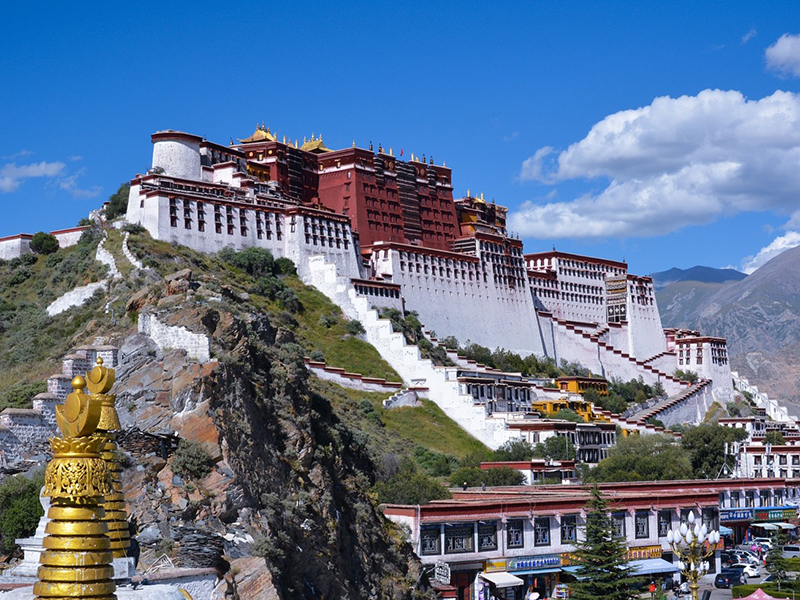
- Potala Palace: A UNESCO site and former residence of the Dalai Lamas.
- Jokhang Temple: Tibet’s most sacred temple, central to Tibetan religious life.
- Barkhor Street: Traditional market and pilgrimage route full of local character.
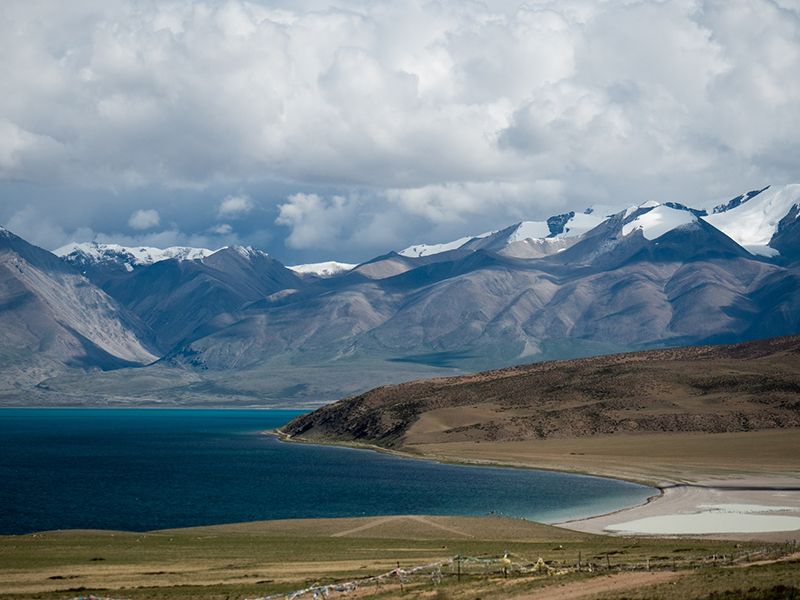
- Yamdrok Lake & Karola Glacier
- A scenic drive through the Himalayas includes a visit to the turquoise Yamdrok Lake and views of the Karola Glacier.
- Gyantse & Shigatse
- Home to historic sites like Pelkor Chöde Monastery and the Tashilhunpo Monastery, the seat of the Panchen Lama.
- Everest Base Camp (5,200 m)
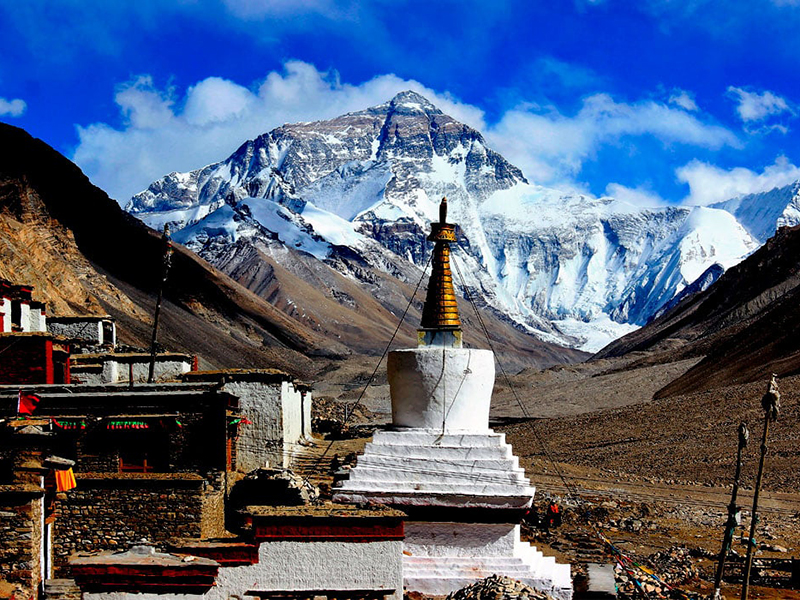
- The journey culminates at Rongbuk Monastery, the highest monastery in the world, with panoramic views of Mount Everest’s north face.
- Everest Base Camp offers stunning close-up views of Everest, especially at sunrise and sunset.
Travel Experience
The route is filled with breathtaking mountain views, remote villages, and sacred religious landmarks. The overland journey crosses high-altitude passes, like Kamba La and Gyatso La, offering scenic vistas and photo opportunities.
Best Time to Visit
The ideal time to take the Tibet Everest Base Camp (EBC) Lhasa Tour is during spring (April to June) and autumn (September to October). These seasons offer the most favorable weather conditions, clear views of Mount Everest, and easier travel across the Tibetan Plateau.
Spring (April to June) – Best Overall Time
- Weather: Mild daytime temperatures, cold nights, low precipitation.
- Visibility: Excellent for mountain views, including a clear view of Everest’s north face.
- Landscape: Snow-capped peaks with gradually greening valleys and blooming alpine flowers.
- Why Go: Perfect for photography, sightseeing, and comfortable road travel.
Autumn (September to October) – Clear Skies & Ideal Conditions
- Weather: Stable, crisp air with cool days and cold nights.
- Visibility: Exceptionally clear skies — ideal for viewing Everest and the Himalayas.
- Crowds: Less busy than spring, especially after October holidays.
- Why Go: Peak conditions for trekkers and photographers, with minimal rain.
Summer (July to August) – Monsoon Season
- Weather: Warmer temperatures but higher humidity and occasional heavy rain, especially in lower areas.
- Visibility: Clouds may obscure Everest; roads can be muddy.
- Pros: Lush green landscapes, fewer foreign tourists.
- Cons: Risk of landslides and road delays.
Winter (November to March) – Harsh but Peaceful
- Weather: Very cold, especially at high altitudes; snow may block mountain passes.
- Visibility: Often clear skies with snow-covered landscapes.
- Pros: Fewer tourists, tranquil monasteries, unique winter scenery.
- Cons: Harsh cold, potential travel disruptions, limited accessibility to EBC.
Travel Requirements
- Tibet Travel Permit: Required for all foreign visitors, issued through a registered travel agency.
- Alien’s Travel Permit: Needed for travel to restricted areas like Everest Base Camp.
- Acclimatization: Lhasa serves as a natural point to adjust to high altitudes before reaching EBC.
Cultural and Spiritual Significance
The tour allows travelers to engage deeply with Tibetan Buddhist culture, witnessing daily rituals, spinning prayer wheels, and hearing monks chanting in centuries-old monasteries. Respect for local customs and traditions is highly encouraged.
The Tibet Everest Base Camp Lhasa Tour is a powerful and unforgettable adventure. It blends ancient spirituality with epic natural landscapes, offering an unmatched view of the “Roof of the World.” Whether you’re a cultural traveler or a mountain lover, this tour is one of Asia’s most enriching and scenic journeys.
Trip Itinerary
Outline Itinerary
Day 01: Arrival in Kathmandu and check-in to the Hotel
Day 02: Sightseeing Tour of Kathmandu Valley and Pre-trip Preparation
Day 03: Drive from Kathmandu to Nyalam (3650 m.): 7 hours
Day 04: Drive from Nyalam to Tingri (4350 m.): 5 hours
Day 05: Drive from Tingri to Rongbuk village (4920 m.) – 4 hours
Day 06: Rongbuk to Shigatse (3900 m.) – 8 hours
Day 07: Drive from Shigatse to Gyantse (3950 m.): 2 hours
Day 08: Drive from Gyantse to Lhasa (3650 m.) via Yamdruk Tso Lake: 7 hours
Day 09: Lhasa sightseeing (full day)
Day 10: Lhasa sightseeing. (Full day)
Day 11: Flight from Lhasa to Kathmandu
Day 12: Final Departure
Details Itinerary
Cost Details
Cost Includes
- All land transportation as per an itinerary
- Tour and Trekking Guide and support during the trip
- Momentum entrance fees, Tibet Travel Permit, and Advance Everest Base Camp Trek Permit
- Meals as per an itinerary
- 3-star hotel accommodation in Lhasa and Shigatse, guesthouse/tented camping during the trek, and 4-star hotel in Kathmandu
- Applicable Taxes
Cost Excludes
- International Airfare and Visa Fee
- Meals which are not included in the itinerary
- Personal Expenses like laundry, bar bills, internet, etc
- Tipping
FAQ
Route Map
Gallery



Client Reviews
JoJo
Mar 2026 • Friends
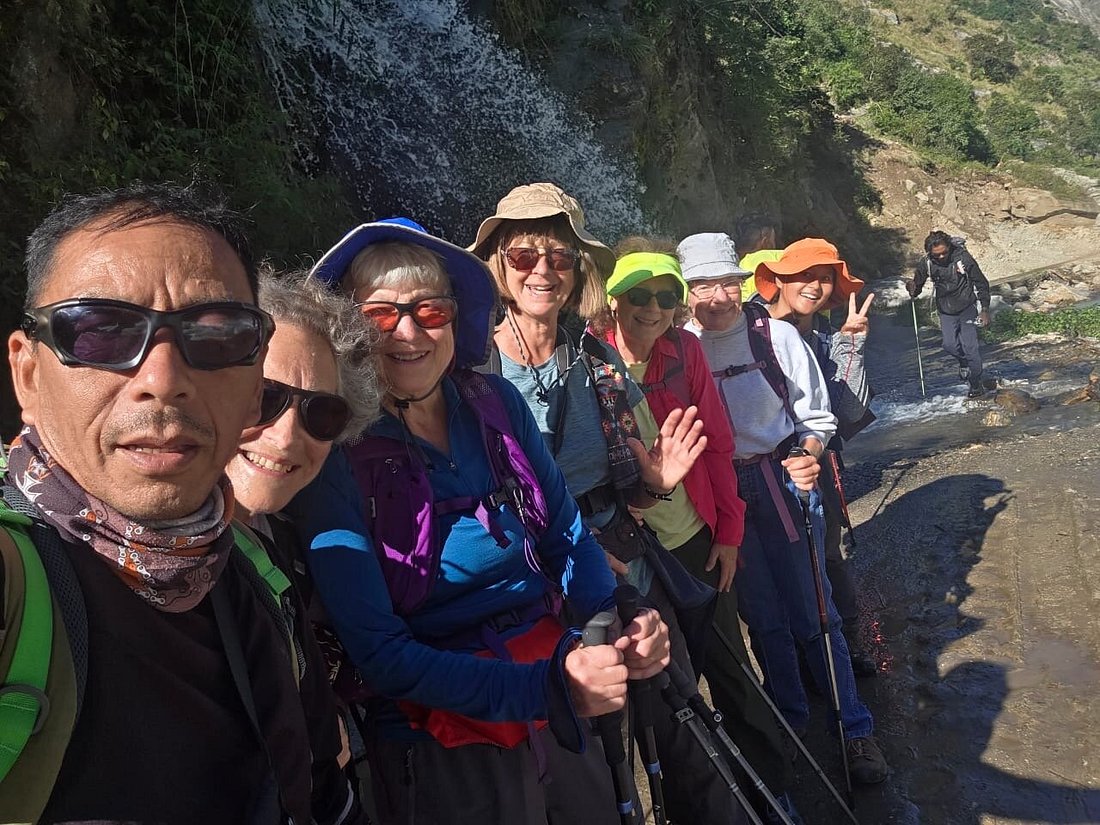
Brilliant guide! Super friendly, funny and accommodating. Consider going back to Nepal almost because of him and not because of the mountains.
Julie
Date of experience: October 2025
Elias W
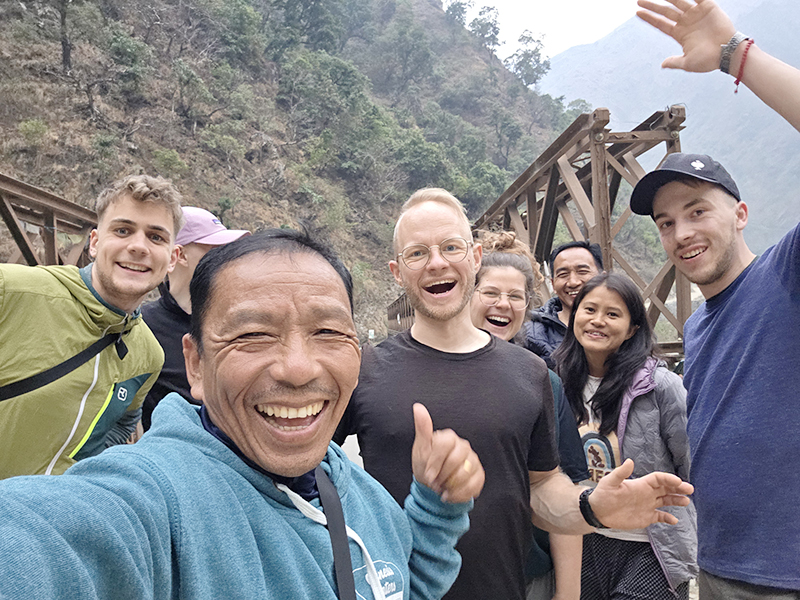
Megh is a very professional, funny guide who knows how to lead groups with empathy. I always felt very comfortable and safe because you can tell he’s been doing this job for a long time.
I can wholeheartedly recommend him for any tour.

Jerry S
If you are looking for a fulfilling and exciting trekking experience in the Himalayas, I highly recommend securing the services of Megh Gurung and Kingdom Treks.
I have twice joined teams that Megh guided to Poon Hill in the Annapurna Range, and both times I was amazed by the breathtaking beauty of the mountains, and by Megh’s outstanding service and attention to detail. An extra benefit is his wit, humor, and warm personality. Megh leadership made both treks memorable, fun, and truly unforgettable. You can’t go wrong choosing Kingdom Treks.

Cäoud cloudthes
Great trip! Megh and Sammy took care of everything. From food, to logistics, to accommodation. Couldn’t have been better.
Bill Steinmetz
Looking back, the entire trip was amazing but also challenging because of the altitudes and climbing involved. We all did make it.
Everything was taken care of for us in terms of arrangements and airport transfers. Our guide Megh met us at the airport in Kathmandu, arranged our lodging, meals, flights to and from Lukla, shopping for gear extras in town. All our lodging on the trips was also reserved for us. Meals were all served in the lodges. Megh was on the trek with us along with porters who took our gear. We carried day packs.You should plan 3 weeks minimum for this trip and it will require at least 2 days acclimatization. If I remember correctly, as we got higher, we may have as much as 9 days above 14,000 ft and with that, peaks still rose around us another 4-5 thousand feet if not more. You also should to be in condition for this trek. I also had mild altitude sickness at base camp but did not need intervention. So it is recommended that you learn as much as possible about how to prepare for a trek like this. But the rewards may be well worth it, as some of our photos may illustrate.Consider adding more days for touring in Kathmandu or even for a visit to India on the way home like we did (also arranged by Megh)

Nesrin B
Megh is a great guide, reliable and understanding. He was very helpful to my friend Havva and me during the Annapurna Base Camp trek. He is also fun and interesting. If you travel with Megh, you will be satisfied.

PMR5511
I had an absolutely incredible experience with Kingdom Treks, a top-notch trekking company in Nepal that made my Himalayan adventure unforgettable! Megh and their team delivered a perfectly organized, culturally immersive, and awe-inspiring journey that exceeded all expectations. As someone new to high-altitude trekking, I felt reassured by their focus on safety and flexibility gave me confidence throughout the journey. Megh was phenomenal—knowledgeable, warm, and always ready with fascinating insights about Nepalese culture and the landscapes we explored. Megh’s team, including the hardworking porters, went above and beyond, ensuring we had comfortable teahouse accommodations with hearty meals and jaw-dropping mountain views. Highly Recommend!

REAL INDIA
We had an absolutely incredible experience with Kingdom Trek company in Nepal , Brother Megh is a great guide and a good leader , We enjoyed the trip with this company , always appreciate their efforts, GOD Bless them

Marissa E
As a Canadian female, I’ve trekked with Megh on two trips to Nepal. When we met the first time, I came with a trekking group, we instantly clicked and I now call him “my Nepali dad”. Which he embodies for everyone–he is kind, honest, genuine, and of course, a pro at leading any kind of trek (and making it fun). I went back again a few years later by myself and Megh went above and beyond–picked me up from the airport and helped me navigate busy Kathmandu and Mt. Everest base camp as a solo female. He’s become a lifelong friend of over a decade now, we still keep in touch! If you want a professional who’s been in the game for many years, and someone you can genuinely trust, trek with Megh!