


Megh is a wonderful guide who gave us an amazing 14 day trek and sightseeing trip to a festival and world heritage sites in Kathmandu. Megh is very knowledgeable and shared cultural, wildlife, and other pertinent information with us. His team of porters were great!

The Pikey Peak Trek is a scenic and culturally rich trek in the lower Solu region of Nepal, offering breathtaking views of the Everest range without the crowds of the more popular trekking routes. Named after Pikey Peak (4,065 meters), a sacred mountain worshipped by local Sherpas, this trek offers one of the best panoramic views of Everest and surrounding peaks — even claimed by Sir Edmund Hillary to be his favorite view of Everest.
This off-the-beaten-path adventure is ideal for those seeking an authentic cultural experience, lush landscapes, and clear mountain views in a shorter, moderate trek that avoids the busy trails of the Khumbu region.
When people think of trekking in Nepal, the iconic Everest Base Camp or Annapurna Circuit often come to mind. But tucked away in the lower Everest region lies a hidden gem that few travelers know about — the Pikey Peak Trek. With jaw-dropping Himalayan views, peaceful trails, and authentic Sherpa culture, it’s no wonder even Sir Edmund Hillary once claimed that the view from Pikey Peak was his favorite in all of Nepal.
If you’re looking for an off-the-beaten-path adventure that offers big rewards with fewer crowds, here’s everything you need to know about this unforgettable trek.
Highlights Along the Trail
- Pikey Peak Summit – Panoramic Himalayan views, especially at sunrise
- Sherpa Culture – Explore traditional villages untouched by mass tourism
- Thubtenchoeling Monastery – A spiritual retreat housing over 500 monks and nuns
- Buddhist Stupas and Prayer Flags – Sacred spots that add spiritual energy to the journey
- Rhododendron Forests (Spring) – Blooming red and pink blossoms lining the trails
What Makes the Pikey Peak Trek Special?
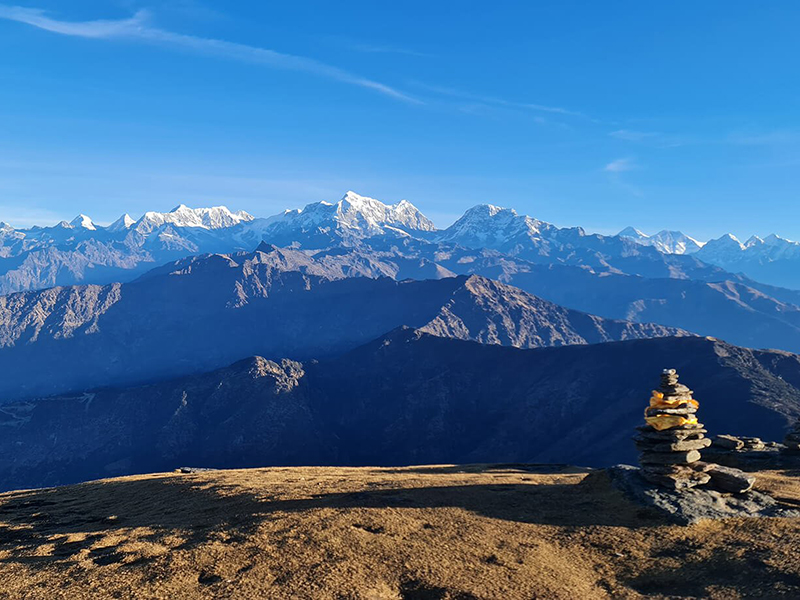
Pikey Peak (pronounced “pee-kay”) stands at 4,065 meters, and from its summit, you’re treated to a 360-degree panorama of the world’s highest mountains — including Everest, Lhotse, Makalu, Kanchenjunga, and even as far as Annapurna on a clear day. Watching the sunrise from Pikey Peak, with the snowy giants bathed in golden light, is a moment you won’t soon forget.
But it’s not just the views. The trail winds through remote villages, dense rhododendron forests, rolling hills, and ancient monasteries, giving you a deep dive into the Sherpa and Tamang way of life. Unlike the busier trails in the Khumbu region, here you’ll often find yourself alone on the path, sharing the moment only with your guide, locals, and the surrounding nature.
Trekking Route at a Glance
The trek usually starts with a drive or flight from Kathmandu to the Solukhumbu region, either Phaplu or Dhap. Most itineraries take between 6 and 9 days, depending on your pace and route preferences.
Spiritual and Cultural Significance
Pikey Peak is a sacred mountain to the local Sherpa community. Many locals make a pilgrimage to its summit during July’s full moon festival, placing prayer flags and making offerings. Along the trail, you’ll encounter:
Mani walls, Chortens, Ancient monasteries and Thubtenchoeling Monastery, a major Tibetan Buddhist monastery that houses hundreds of monks and nuns
Who is this trek for?
- Trekkers looking for a shorter alternative to Everest Base Camp
- Anyone seeking authentic culture, panoramic views, and quiet trails
- First-time or moderately experienced trekkers
- Nature lovers and spiritual travelers
Authentic Sherpa Culture
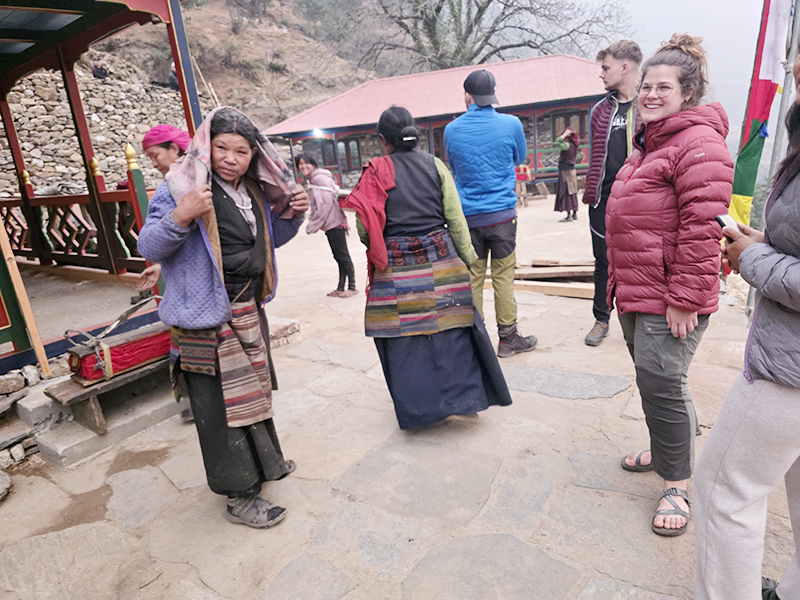
The trail passes through remote Sherpa and Tamang villages where you’ll experience traditional Himalayan hospitality, ancient monasteries, and Buddhist stupas. These communities are less influenced by tourism compared to those on the Everest Base Camp trail.
Peaceful and Less Crowded
Unlike the heavily trafficked Everest Base Camp trek, the Pikey Peak trail is peaceful and relatively undiscovered, making it perfect for solitude seekers, photographers, and trekkers looking for a more serene Himalayan experience.
Food and Accommodation
You’ll be staying in locally run teahouses, which are basic but warm and welcoming. Expect traditional Nepali meals like dal bhat, as well as Tibetan-influenced dishes such as noodle soups, Tibetan bread, and Sherpa stew.
Hot drinks (milk tea, ginger lemon honey, and coffee) are widely available — perfect for those chilly evenings in the hills.
Is It Difficult?
The Pikey Peak Trek is considered moderate. It reaches just above 4,000 meters, so altitude is still a factor, but it doesn’t require advanced climbing or technical skills. It’s suitable for beginners with a decent fitness level, and it’s a great warm-up for anyone planning longer high-altitude treks in Nepal.
A Spiritual Journey Too
Pikey Peak is more than a scenic viewpoint — it’s a sacred site for local Sherpas. During July’s full moon, pilgrims hike to the summit to honor the mountain spirit, planting prayer flags and lighting incense. The quiet energy of the place is palpable, and you’ll pass countless monasteries, prayer wheels, and mani walls that reflect the deep Buddhist roots of the region.
Short and Accessible
The trek is suitable for those with limited time or looking for a shorter alternative to high-altitude treks. It offers high rewards with moderate effort and is ideal for families, beginners, or trekkers with intermediate experience.
The Pikey Peak Trek is a lesser-known but incredibly rewarding Himalayan trek that combines awe-inspiring mountain views with rich Sherpa culture and a sense of tranquil remoteness. Whether you’re a seasoned trekker seeking solitude or a first-timer looking for a manageable but spectacular adventure, Pikey Peak offers a perfect slice of Nepal’s highland magic.
Trip Itinerary
Outline Itinerary
Day 1: Drive or fly from Kathmandu to Dhap (2,900m), trek to Japre (2,820m)
Day 2: Trek to Pikey Base Camp (3,640m)
Day 3: Hike to Pikey Peak summit (4,065m) early morning, then trek to Loding (3,600m)
Day 4: Trek to Junbesi (2,700m), visit Thubtenchoeling Monastery
Day 5: Trek to Phaplu (2,400m)
Day 6: Drive or fly back to Kathmandu
Details Itinerary
Cost Details
Cost Includes
- Airport to Hotel / Airport pick up & drop by private vehicle.
- Two-night hotel in Kathmandu with breakfast.
- Your entire stander Meals (breakfast, lunch and dinner) during the trek, A Cup of Tea/ Coffee During the Breakfast.
- Tea House hotel accommodation during the trek. Attached bathroom Namche and Lukla.
- A highly experienced, helpful and friendly government,license holder Guide, his food, accommodations, salary, insurance, equipment, and medicine etc.
- Kathmandu to Japre by Local Share and Return to Kathmandu Local Jeep or Bus
- Medical supplies, first aid kit box, including Oximeter and pulse meter checker.
- An arrangement of Emergency Helicopter service (Pay first and claim later with your insurance if policy cover. ). If in case of worst case only.
- Sleeping bag, down Jacket, Duffel bag and walking Poles (if you don’t have your own, To be returned after trip completed).
- Sagarmatha National Park permits.
- TIMS (trekkers’ information management System.)
Cost Includes
- International airfare, Nepal visa fee, any kind of insurance
- Local Expert Porter
- All meals and accommodation in Kathmandu
- expenses during the trekking such as hot shower, all kind of drinks, extra meals, Wi-Fi or data, device charging, upgraded accommodation etc..
- Tips for Staffs (it is expected)
FAQ
Where is Pikey Peak located?
Pikey Peak (4,065 m)** is in the lower Solu region of Nepal, part of the Solukhumbu District in the Everest region. It lies south of the more famous Everest Base Camp route and offers wide panoramic views of the Himalayan range, including Mount Everest.
How long is the Pikey Peak Trek?
The trek typically takes 6 to 9 days, depending on the starting point, pace, and optional side trips (such as Junbesi or Thubtenchoeling Monastery). It’s one of the shorter treks in the Everest region.
What is the maximum altitude of the trek?
The highest point is Pikey Peak summit at 4,065 meters (13,336 ft). It’s high enough to offer dramatic views but low enough to avoid serious altitude issues for most trekkers.
How difficult is the Pikey Peak Trek?
It is considered a moderate trek. The terrain is relatively gentle compared to other Himalayan treks, but you’ll still need a reasonable level of fitness for 5–6 hour hikes per day. No technical climbing skills are required.
What is the best time to do the Pikey Peak Trek?
The best seasons are:
- Spring (March to May): Rhododendrons in bloom, pleasant weather, clear skies
- Autumn (September to November): Best visibility, mild temperatures
- Winter (December to February): Cold but peaceful; snow possible
- Monsoon (June to August): Less ideal due to rain, but still doable because the region is lower
Do I need a guide or porter?
A guide is not mandatory but is highly recommended for navigation, local insights, and support. Hiring a porter can also ease the burden if you don’t want to carry your full pack. If you’re trekking solo, hiring a local guide is also a way to contribute to the local economy.
Do I need permits for the Pikey Peak Trek?
- Gaurishankar Conservation Area Permit (GCAP): Approx. NPR 3,000 (USD ~$25)
- TIMS Card (Trekkers’ Information Management System): Approx. NPR 2,000 (USD ~$15–20)
Your trekking agency can arrange these, or you can get them in Kathmandu.
How do I get to the trailhead?
There are two main options:
- Drive: 8–10 hours from Kathmandu to Dhap or Jiri via Okhaldhunga
- Fly: 30-minute flight from Kathmandu to Phaplu, then trek or drive to trail start
Driving is cheaper but longer; flights save time but may be affected by weather.
What kind of accommodation is available?
The trek is supported by local teahouses and homestays. These are simple but cozy, offering basic rooms (twin beds, shared bathrooms), local meals, and warm hospitality.
What kind of food is available?
You’ll eat traditional Nepali and Sherpa food:
- Dal Bhat (rice, lentils, vegetables)
- Sherpa stew (Shyakpa)
- Tibetan bread, noodles, soups
- Tea, coffee, and bottled or boiled water
Vegetarian meals are easy to find. Carry snacks for energy boosts between meals.
Is altitude sickness a risk on the Pikey Peak Trek?
While Pikey Peak reaches 4,065 meters, the risk of altitude sickness is relatively low due to gradual ascent. Still:
- Stay hydrated
- Ascend slowly
- Be aware of symptoms like headache, dizziness, and nausea
What should I pack?
Essentials include:
- Warm layers (fleece, down jacket, thermals)
- Waterproof jacket and pants
- Good trekking boots and sandals
- Sleeping bag (rated to -10°C recommended)
- Water bottle, filter or purification tablets
- Sunscreen, sunglasses, lip balm
- Personal first aid kit and toiletries
- Headlamp or flashlight
Is there Wi-Fi or phone signal?
Some villages have mobile signal (mostly Ncell or NTC) and a few teahouses offer limited Wi-Fi. However, it’s best to expect minimal connectivity and enjoy being unplugged.
Is the trek suitable for beginners?
Yes. This is one of the best beginner-friendly treks in Nepal that still offers breathtaking mountain views, cultural experiences, and manageable elevations. No prior trekking experience is required.
What are the major highlights of the Pikey Peak Trek?
- Sunrise from Pikey Peak with panoramic views of Everest, Kanchenjunga, and Annapurna
- Sherpa and Tamang villages offering authentic Himalayan culture
- Thubtenchoeling Monastery – an important Buddhist pilgrimage site
- Off-the-beaten-path trails with fewer crowds
- Rhododendron forests, stone trails, prayer flags, and mani walls
Can I customize the itinerary?
Yes. You can:
- Start or end in Jiri, Phaplu, or Dhap
- Extend to Junbesi, Lukla, or even link with Everest Base Camp
- Add cultural stops or monastery visits
Your guide or trekking agency can tailor the route to your needs.
How much does the Pikey Peak Trek cost?
Prices vary depending on:
- Group or private trek
- Guide and porter services
- Transport options (flight vs road)
Average cost: USD 500–900 per person (all-inclusive with guide, permits, food, lodging)
Is travel insurance required?
While not required by law, travel insurance is highly recommended. It should cover:
- Emergency evacuation (by helicopter)
- Medical care
- Trip cancellation/delay
Some agencies may require proof of insurance.
Final Tips:
- Bring cash (Nepali rupees) — there are no ATMs along the route
- Support local teahouses and buy local goods
- Pack out your trash to help keep the trail clean
- Respect local customs, especially in monasteries
Route Map

Gallery


Client Reviews
JoJo
Mar 2026 • Friends
Brilliant guide! Super friendly, funny and accommodating. Consider going back to Nepal almost because of him and not because of the mountains.
Julie
Date of experience: October 2025
Elias W
Megh is a very professional, funny guide who knows how to lead groups with empathy. I always felt very comfortable and safe because you can tell he’s been doing this job for a long time.
I can wholeheartedly recommend him for any tour.

Jerry S
If you are looking for a fulfilling and exciting trekking experience in the Himalayas, I highly recommend securing the services of Megh Gurung and Kingdom Treks.
I have twice joined teams that Megh guided to Poon Hill in the Annapurna Range, and both times I was amazed by the breathtaking beauty of the mountains, and by Megh’s outstanding service and attention to detail. An extra benefit is his wit, humor, and warm personality. Megh leadership made both treks memorable, fun, and truly unforgettable. You can’t go wrong choosing Kingdom Treks.

Cäoud cloudthes
Great trip! Megh and Sammy took care of everything. From food, to logistics, to accommodation. Couldn’t have been better.

Bill Steinmetz
Looking back, the entire trip was amazing but also challenging because of the altitudes and climbing involved. We all did make it.
Everything was taken care of for us in terms of arrangements and airport transfers. Our guide Megh met us at the airport in Kathmandu, arranged our lodging, meals, flights to and from Lukla, shopping for gear extras in town. All our lodging on the trips was also reserved for us. Meals were all served in the lodges. Megh was on the trek with us along with porters who took our gear. We carried day packs.You should plan 3 weeks minimum for this trip and it will require at least 2 days acclimatization. If I remember correctly, as we got higher, we may have as much as 9 days above 14,000 ft and with that, peaks still rose around us another 4-5 thousand feet if not more. You also should to be in condition for this trek. I also had mild altitude sickness at base camp but did not need intervention. So it is recommended that you learn as much as possible about how to prepare for a trek like this. But the rewards may be well worth it, as some of our photos may illustrate.Consider adding more days for touring in Kathmandu or even for a visit to India on the way home like we did (also arranged by Megh)
Nesrin B
Megh is a great guide, reliable and understanding. He was very helpful to my friend Havva and me during the Annapurna Base Camp trek. He is also fun and interesting. If you travel with Megh, you will be satisfied.

PMR5511
I had an absolutely incredible experience with Kingdom Treks, a top-notch trekking company in Nepal that made my Himalayan adventure unforgettable! Megh and their team delivered a perfectly organized, culturally immersive, and awe-inspiring journey that exceeded all expectations. As someone new to high-altitude trekking, I felt reassured by their focus on safety and flexibility gave me confidence throughout the journey. Megh was phenomenal—knowledgeable, warm, and always ready with fascinating insights about Nepalese culture and the landscapes we explored. Megh’s team, including the hardworking porters, went above and beyond, ensuring we had comfortable teahouse accommodations with hearty meals and jaw-dropping mountain views. Highly Recommend!

REAL INDIA
We had an absolutely incredible experience with Kingdom Trek company in Nepal , Brother Megh is a great guide and a good leader , We enjoyed the trip with this company , always appreciate their efforts, GOD Bless them

Marissa E
As a Canadian female, I’ve trekked with Megh on two trips to Nepal. When we met the first time, I came with a trekking group, we instantly clicked and I now call him “my Nepali dad”. Which he embodies for everyone–he is kind, honest, genuine, and of course, a pro at leading any kind of trek (and making it fun). I went back again a few years later by myself and Megh went above and beyond–picked me up from the airport and helped me navigate busy Kathmandu and Mt. Everest base camp as a solo female. He’s become a lifelong friend of over a decade now, we still keep in touch! If you want a professional who’s been in the game for many years, and someone you can genuinely trust, trek with Megh!