


Megh is a wonderful guide who gave us an amazing 14 day trek and sightseeing trip to a festival and world heritage sites in Kathmandu. Megh is very knowledgeable and shared cultural, wildlife, and other pertinent information with us. His team of porters were great!
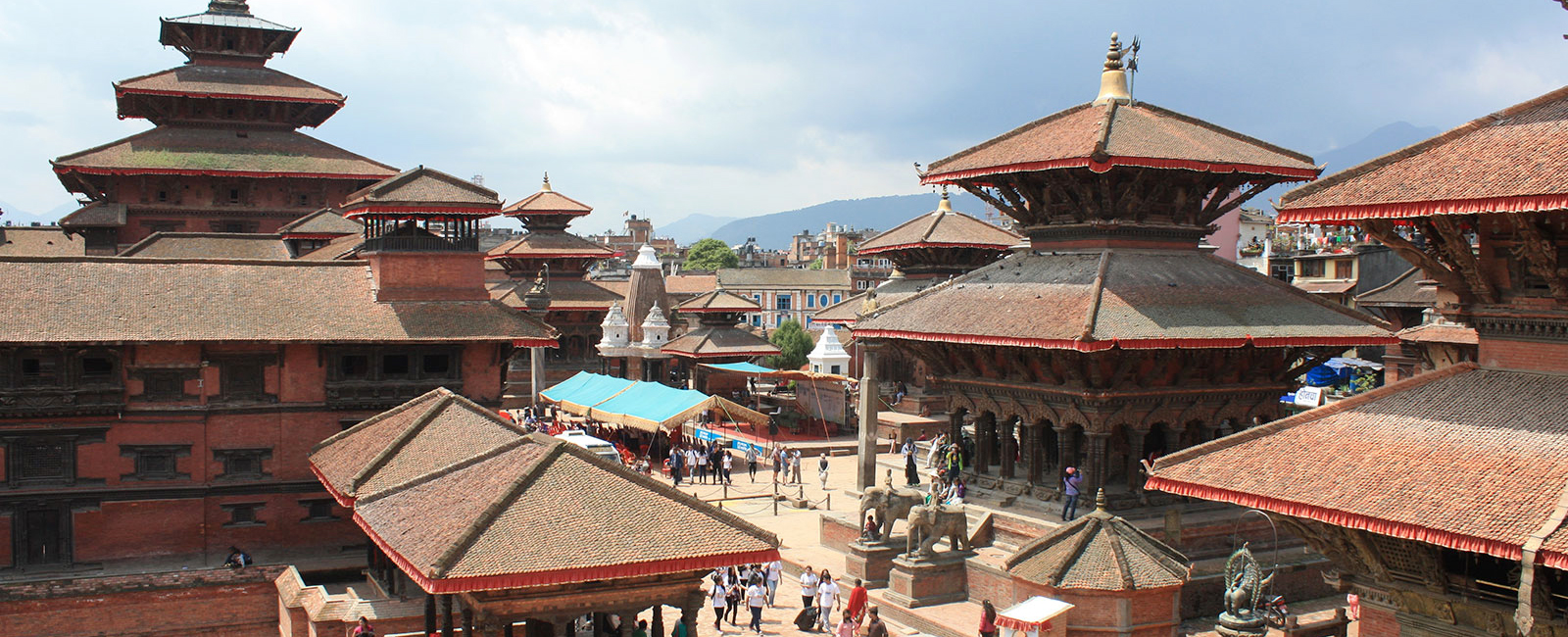
Explore the heart of Nepal in a single day with our immersive Kathmandu Valley Day Tour. Perfect for travelers with limited time, this tour takes you through the rich cultural tapestry and historical marvels of the Kathmandu Valley — a UNESCO World Heritage Site dotted with ancient temples, royal palaces, and vibrant local life.
At the time of the tour, this site showcase centuries-old culture and architecture, highlighting both religious and cultural aspects of Nepalese people and you will be exploring art, culture and cuisine and adventure activities available in that particular city. The day tour is a combination of historical places, pilgrimage sites and oldest city of Kathmandu valley. Today all these monuments have becomes a wonder of amusement and magnificence of attractions for tourists all around the world. This tour is the best way to experiences Nepal for people those are traveling Nepal for short time or are on transit and have only one day or few days to wander around Kathmandu.
Day Tour Highlights
Swayambhunath Stupa (Monkey Temple)
Begin your day with a panoramic view of the Kathmandu Valley from this ancient Buddhist stupa, known for its all-seeing eyes and playful monkeys. A spiritual center for both Buddhists and Hindus, it’s a perfect introduction to Nepal’s religious harmony.
Perched atop a forested hill west of Kathmandu city, Swayambhunath Stupa is one of the oldest and most revered religious sites in Nepal. With its iconic white dome and gleaming golden spire, the stupa is an unmistakable symbol of peace and spirituality. Known affectionately as the Monkey Temple due to the holy monkeys that inhabit its grounds, Swayambhunath offers breathtaking panoramic views of the Kathmandu Valley and a deep sense of tranquility.
Historical Significance
According to legend, Swayambhunath was born from a self-manifested flame that emerged from a lotus flower in the middle of a lake that once filled the Kathmandu Valley. The stupa is believed to be over 2,500 years old, making it one of the oldest religious monuments in Nepal. It is a sacred site for both Buddhists and Hindus, reflecting Nepal’s harmonious religious coexistence.
What to See
- The Stupa: The central white dome symbolizes the earth, while the gilded spire rising above it represents the 13 stages of enlightenment. The all-seeing eyes of the Buddha painted on all four sides symbolize awareness and wisdom.
- Prayer Wheels & Small Shrines: Spin the prayer wheels while circumambulating the stupa in a clockwise direction, alongside monks and devotees. You’ll also find numerous small shrines and statues dedicated to both Buddhist and Hindu deities.
- Vajra (Thunderbolt): At the entrance of the stupa sits a large gilded vajra symbolizing power and the indestructible nature of truth.
- Panoramic Views: The hilltop offers one of the best views of Kathmandu, especially stunning at sunrise or sunset.
- Resident Monkeys: Friendly but mischievous, the monkeys of Swayambhunath are considered sacred and add a lively charm to the site.
Kathmandu Durbar Square
Step into Nepal’s regal past at Kathmandu Durbar Square, home to centuries-old palaces, courtyards, and temples. Don’t miss the Kumari Ghar, residence of the Living Goddess, and the intricately carved Hanuman Dhoka Palace.
Located in the heart of Kathmandu city, Kathmandu Durbar Square—also known as Hanuman Dhoka Durbar Square—is a historic palace complex that served as the royal residence for Malla kings and later Shah monarchs. This UNESCO World Heritage Site is a dazzling showcase of Nepalese architecture, traditional Newari craftsmanship, and centuries of cultural evolution.
Cultural Vibe
Kathmandu Durbar Square is more than a collection of old buildings—it’s a vibrant space where history, religion, and daily life converge. Pigeons flock across open plazas, street vendors sell colorful handicrafts, and temple bells ring as devotees light butter lamps and offer prayers.
Pashupatinath Temple
One of the most sacred Hindu temples in the world, Pashupatinath is located on the banks of the Bagmati River. Witness traditional cremation ceremonies and experience a powerful spiritual ambiance in this active religious site.
Boudhanath Stupa
A hub for Tibetan Buddhism, Boudhanath is one of the largest spherical stupas in the world. Join monks and pilgrims as they perform kora (ritual circumnavigation), spin prayer wheels, and light butter lamps in this serene and sacred space.
One of the most sacred Hindu temples in the world, Pashupatinath Temple is a powerful spiritual center dedicated to Lord Shiva, worshipped here as Pashupati, the “Lord of all living beings.” Situated on the banks of the holy Bagmati River in eastern Kathmandu, this UNESCO World Heritage Site is not only an architectural marvel but also a deeply symbolic place where life, death, and rebirth are observed in their most raw and real forms.
Religious and Cultural Significance
Pashupatinath is considered the holiest Hindu temple in Nepal and draws thousands of pilgrims from across South Asia, especially during the Maha Shivaratri festival. It is one of the four most important pilgrimage sites for Shiva devotees, alongside Kedarnath, Somnath, and Kashi Vishwanath.
The temple is a major site for Hindu cremation rituals, where open-air funeral pyres line the riverbanks. Though deeply spiritual, this can be an emotional and thought-provoking experience for visitors.
Patan Durbar Square
If time permits, visit the artistic city of Patan (Lalitpur), known for its Newari architecture, stone carvings, and metalwork. Patan Durbar Square is a visual feast of temples and a center for traditional craftsmanship.
Located just across the Bagmati River from Kathmandu, Patan Durbar Square—also known as Lalitpur Durbar Square—is a stunning ensemble of palaces, courtyards, and temples that showcase the extraordinary artistry of the Newar civilization. Once the royal seat of the Malla kings of Patan, this UNESCO World Heritage Site is a living museum of traditional craftsmanship and cultural legacy.
Cultural and Historical Significance
Patan, meaning “City of Fine Arts,” has long been a center of artisanship, especially in metalwork, stone carving, and woodwork. The Durbar Square itself reflects the peak of Newari architecture, developed over centuries by the Malla dynasty (12th to 18th century). The square remains a vibrant hub of religious life, traditional festivals, and artistic heritage.
Why Choose This Tour?
This one-day tour offers a comprehensive introduction to Nepal’s history, religion, and culture, all within the accessible boundaries of the Kathmandu Valley. Whether you’re a history buff, spiritual seeker, or curious traveler, this tour is an unforgettable journey through time and tradition.
Trip Itinerary
Outline Itinerary
- Day 01:Kathmandu Full Day Tour
Details Itinerary
Cost Details
Cost Includes
- Sightseeing in Kathmandu valley with private vehicle( Kathmandu Durbar Squire and Patan Durbar Squire is an options. you can choose any 4 Places)
- Sightseeing in Kathmandu Valley with a tour guide
- salary for tour guides.
- Company service charges and fees
Cost Excludes
- Personal expense on a trip.
- The entrance fees for different visiting monuments.
- food, and Hard and soft drinks during the tours.
- Tips etc.
FAQ
Route Map
Gallery


Client Reviews
JoJo
Mar 2026 • Friends
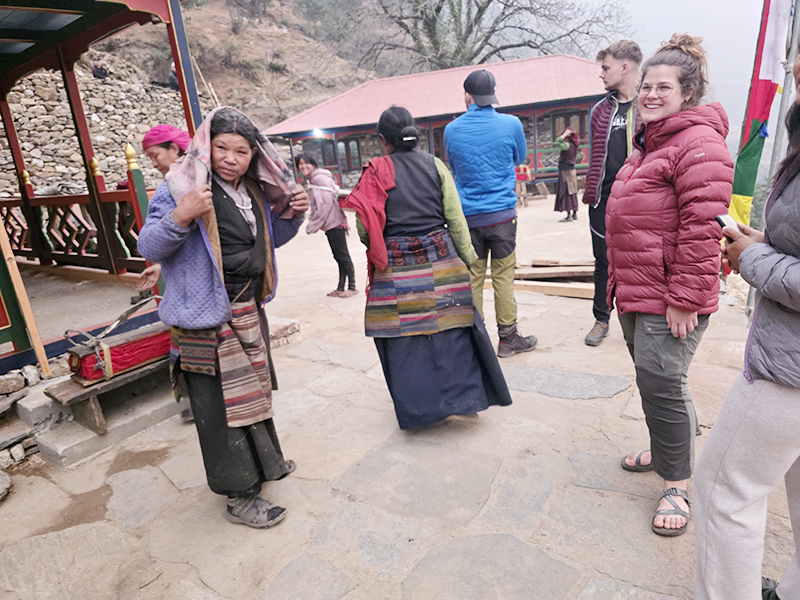
Brilliant guide! Super friendly, funny and accommodating. Consider going back to Nepal almost because of him and not because of the mountains.
Julie
Date of experience: October 2025
Elias W
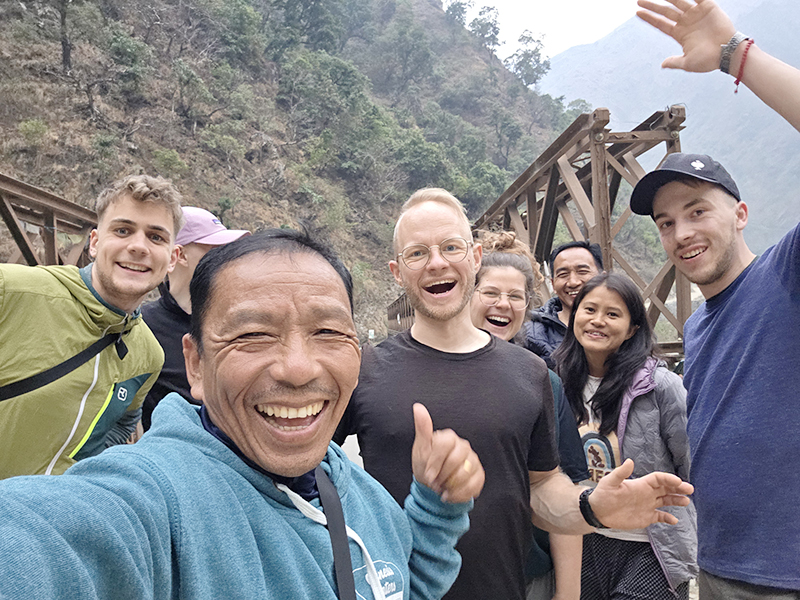
Megh is a very professional, funny guide who knows how to lead groups with empathy. I always felt very comfortable and safe because you can tell he’s been doing this job for a long time.
I can wholeheartedly recommend him for any tour.

Jerry S
If you are looking for a fulfilling and exciting trekking experience in the Himalayas, I highly recommend securing the services of Megh Gurung and Kingdom Treks.
I have twice joined teams that Megh guided to Poon Hill in the Annapurna Range, and both times I was amazed by the breathtaking beauty of the mountains, and by Megh’s outstanding service and attention to detail. An extra benefit is his wit, humor, and warm personality. Megh leadership made both treks memorable, fun, and truly unforgettable. You can’t go wrong choosing Kingdom Treks.

Cäoud cloudthes
Great trip! Megh and Sammy took care of everything. From food, to logistics, to accommodation. Couldn’t have been better.

Bill Steinmetz
Looking back, the entire trip was amazing but also challenging because of the altitudes and climbing involved. We all did make it.
Everything was taken care of for us in terms of arrangements and airport transfers. Our guide Megh met us at the airport in Kathmandu, arranged our lodging, meals, flights to and from Lukla, shopping for gear extras in town. All our lodging on the trips was also reserved for us. Meals were all served in the lodges. Megh was on the trek with us along with porters who took our gear. We carried day packs.You should plan 3 weeks minimum for this trip and it will require at least 2 days acclimatization. If I remember correctly, as we got higher, we may have as much as 9 days above 14,000 ft and with that, peaks still rose around us another 4-5 thousand feet if not more. You also should to be in condition for this trek. I also had mild altitude sickness at base camp but did not need intervention. So it is recommended that you learn as much as possible about how to prepare for a trek like this. But the rewards may be well worth it, as some of our photos may illustrate.Consider adding more days for touring in Kathmandu or even for a visit to India on the way home like we did (also arranged by Megh)

Nesrin B
Megh is a great guide, reliable and understanding. He was very helpful to my friend Havva and me during the Annapurna Base Camp trek. He is also fun and interesting. If you travel with Megh, you will be satisfied.

PMR5511
I had an absolutely incredible experience with Kingdom Treks, a top-notch trekking company in Nepal that made my Himalayan adventure unforgettable! Megh and their team delivered a perfectly organized, culturally immersive, and awe-inspiring journey that exceeded all expectations. As someone new to high-altitude trekking, I felt reassured by their focus on safety and flexibility gave me confidence throughout the journey. Megh was phenomenal—knowledgeable, warm, and always ready with fascinating insights about Nepalese culture and the landscapes we explored. Megh’s team, including the hardworking porters, went above and beyond, ensuring we had comfortable teahouse accommodations with hearty meals and jaw-dropping mountain views. Highly Recommend!

REAL INDIA
We had an absolutely incredible experience with Kingdom Trek company in Nepal , Brother Megh is a great guide and a good leader , We enjoyed the trip with this company , always appreciate their efforts, GOD Bless them

Marissa E
As a Canadian female, I’ve trekked with Megh on two trips to Nepal. When we met the first time, I came with a trekking group, we instantly clicked and I now call him “my Nepali dad”. Which he embodies for everyone–he is kind, honest, genuine, and of course, a pro at leading any kind of trek (and making it fun). I went back again a few years later by myself and Megh went above and beyond–picked me up from the airport and helped me navigate busy Kathmandu and Mt. Everest base camp as a solo female. He’s become a lifelong friend of over a decade now, we still keep in touch! If you want a professional who’s been in the game for many years, and someone you can genuinely trust, trek with Megh!